* All product/brand names, logos, and trademarks are property of their respective owners.
Pakistan is often shown through the same lens. Hunza’s famous viewpoints. Murree’s crowded roads. Skardu’s postcard lakes. These places deserve their attention, but they are not the whole story. Some of the country’s most unforgettable experiences live far from the usual travel circuit, in places that feel quieter, less polished, and far more personal.
That is where the real surprise begins.
The hidden side of Pakistan is not just about remote locations. It is about discovering landscapes, cultures, and moments that do not feel overexposed. It is the cool mountain air in a place people rarely mention. The empty coastal road that suddenly opens to the sea. The valley where silence feels deeper than any tourist attraction ever could.
If you are tired of the same travel lists and want something more genuine, these hidden places in Pakistan offer a side of the country most travelers miss.
Gorakh Hill is one of those places that instantly changes your idea of Sindh.
Most people associate the province with heat, plains, and long dry stretches. Then Gorakh Hill appears, high in the Kirthar Mountains, with cooler weather, open skies, and views that feel far removed from the rest of the landscape below. It has even been called the “Murree of Sindh,” but the comparison only goes so far. Gorakh is quieter, rougher, and still untouched enough to feel like a real discovery.
Gorakh Hill proves that Pakistan’s beauty is not limited to the north.

Some places stay with you because they are beautiful. Others stay with you because they feel different from anything you expected.
That is what Chaman Border and Khojak Pass offer. This is not soft, easy beauty. It is raw, rugged, and striking. The mountains are dry, the roads feel dramatic, and the whole landscape carries a frontier atmosphere that immediately sets it apart from more familiar tourist spots.
It may not be the easiest trip, but it offers one of the most distinctive travel moods in the country.

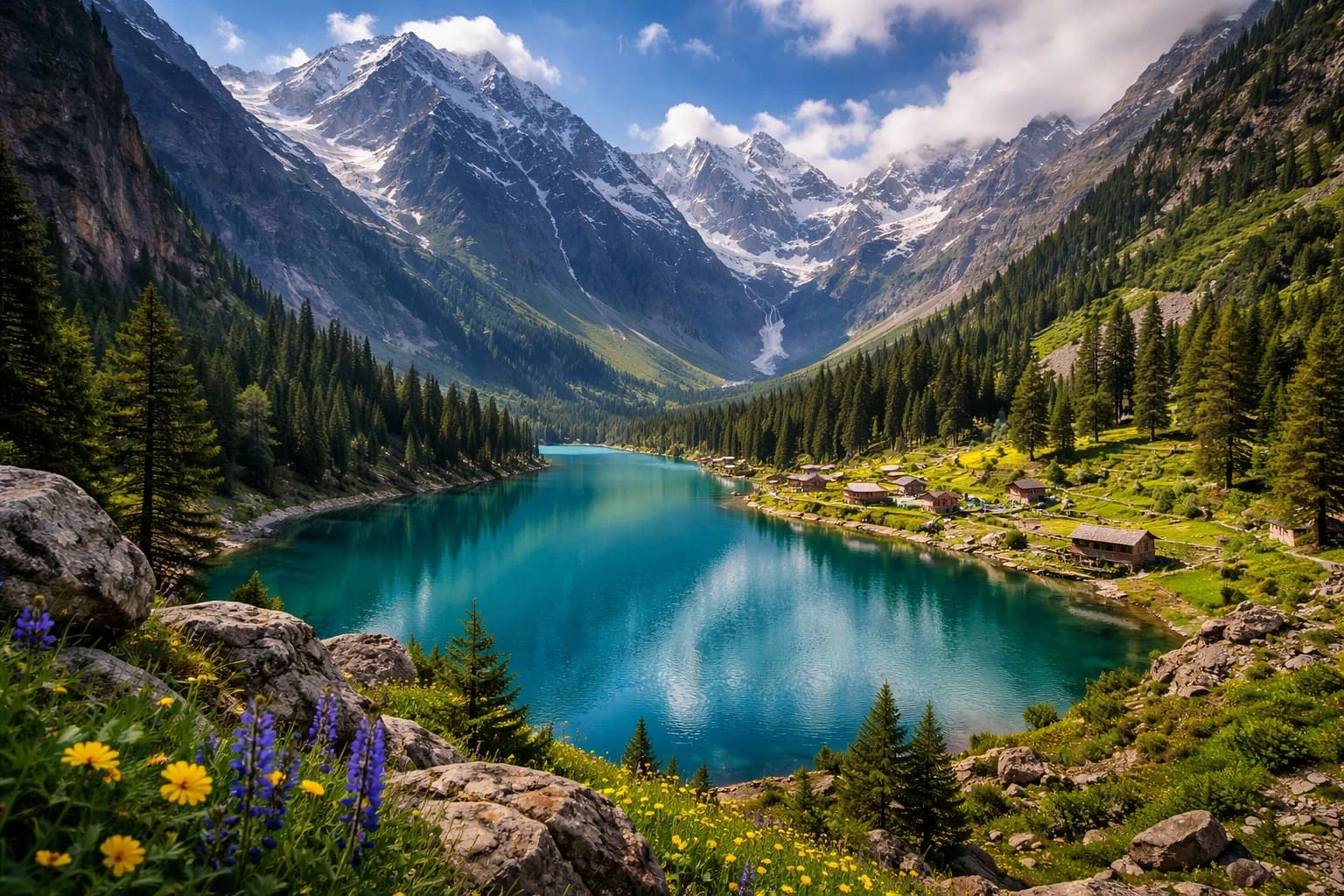
Ratti Gali Lake feels like the kind of place that should be far more famous than it is.
Surrounded by green slopes, rocky peaks, and seasonal snow, this alpine lake has a bright blue color that almost looks unreal in person. Yet somehow it still sits just outside the mainstream spotlight, overshadowed by more heavily promoted lakes in northern Pakistan.
Even when visitors are around, Ratti Gali usually feels calmer than the country’s more overexposed nature spots. That quietness makes all the difference.
Ratti Gali is stunning, but its biggest strength is that it still feels special when you get there.

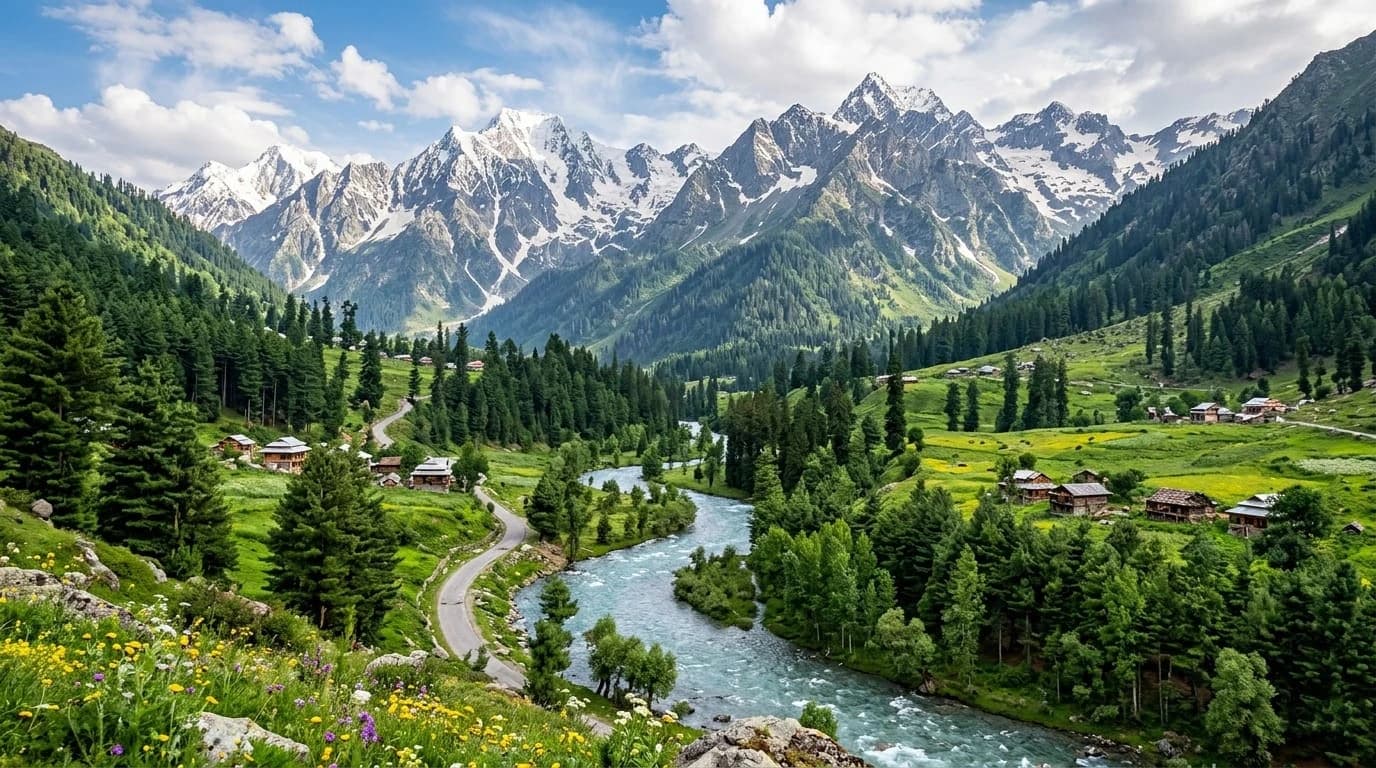
Shounter Valley is for travelers who want to breathe a little deeper.
Unlike famous northern destinations that are packed every season, Shounter still feels open and unhurried. The valley is green, peaceful, and quiet in a way that makes you slow down without even noticing. Rivers move softly through the landscape, the roads feel less rushed, and the entire place has a softness that many popular spots lose once tourism grows too fast.
Shounter is not about checking off sights. It is about feeling removed from the usual travel chaos.

Kund Malir is one of the most peaceful coastal escapes in Pakistan.
The beach itself is beautiful, but the drive there is part of what makes it memorable. Along the Makran Coastal Highway, dry mountains and open sea create a contrast that feels cinematic without trying too hard. Then the road opens, the shoreline appears, and suddenly everything feels wider and quieter.
Unlike city beaches, Kund Malir does not depend on noise or activity. Its strength is space. Long stretches of sand, open water, and minimal commercial clutter make it feel clean and calm. It is one of those places where you can sit for a long time and not feel the need for anything else.
Kund Malir shows a side of Pakistan that many travelers never expect: coastal, quiet, and deeply relaxing.

The Kalash Valleys stand out not only because of the scenery, but because of the culture that lives within them.
Hidden in Chitral, these valleys offer one of the most distinct cultural experiences in Pakistan. The traditions, festivals, architecture, and everyday rhythms of life make the area feel unlike anywhere else in the country. It is not just a place to visit. It is a place to observe, respect, and learn from.
That is what makes the experience so powerful. You are not simply looking at a landscape. You are stepping into a living cultural world that has kept its identity despite time and outside pressure.
A visit here demands respect. Ask before photographing people, remain mindful of local customs, and approach the valleys with curiosity rather than assumption.

Most people experience Deosai in a hurry.
They reach the main viewpoints, stop at Sheosar Lake, take a few photos, and leave. But Deosai’s real beauty often begins beyond the famous stops. Once you move away from the usual points, the plains open into something much more powerful: endless land, shifting weather, wildflowers in season, and a silence so complete it almost feels unfamiliar.
Deosai is already famous, but much of its soul still remains hidden from the average visitor.

Khaplu does not demand attention. That is exactly why it leaves such a strong impression.
Often overshadowed by Hunza and Skardu, this beautiful town offers a slower, softer experience of Gilgit-Baltistan. The scenery is lovely, but Khaplu’s real strength lies in its mood. Village life feels steady and grounded. The fort adds history without turning the place into a performance.
It is the kind of place where you start enjoying small moments more than big attractions. A peaceful walk. A quiet evening. A conversation with locals. A view that does not need a crowd to feel meaningful.
Khaplu feels less like a tourist stop and more like a place you settle into for a while.

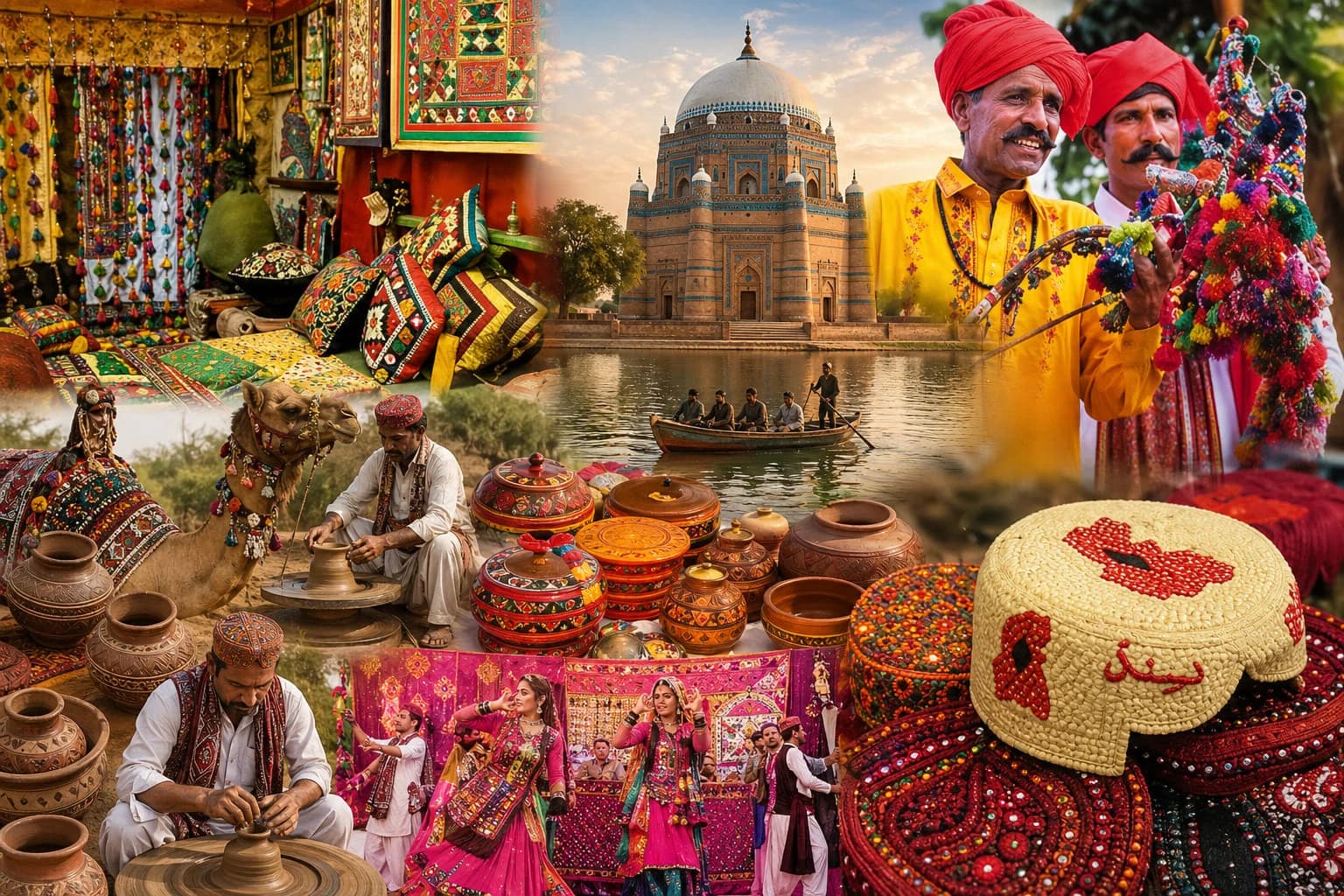
Thar Desert surprises almost everyone who visits with an open mind.
People expect emptiness. What they find instead is color, culture, and life. The landscape is wide and dry, but the villages, clothes, traditions, and community spirit bring an entirely different kind of richness to the region.
It is not mountain beauty. It is not lake beauty. It is something more human and textured. The desert shifts with the light, and daily life unfolds in ways that feel deeply connected to place.
Thar is one of the most eye-opening hidden gems in Pakistan because it changes what beauty means.

If there is one place in Pakistan that feels almost unreal, it is Hingol National Park.
This is not just a scenic destination. It is a complete landscape shift. Desert mountains, strange rock formations, mud volcanoes, and coastal drama all come together in one vast stretch of land.
The most famous landmarks, like the Princess of Hope and the mud volcanoes, are only part of the story. The real magic of Hingol is the way the scenery keeps changing while still feeling wild and untouched.
Hingol is not gentle beauty. It is bold, strange, and unforgettable.

Before exploring lesser-known destinations, keep a few basics in mind:
These places stay special because they are not yet overwhelmed. Travel carefully, and help keep them that way.
Pakistan becomes even more beautiful when you stop chasing only the obvious places.
Beyond the famous names, there is another side of the country waiting quietly: remote hills in Sindh, wild coastal roads in Balochistan, peaceful valleys in Kashmir, living cultures in Chitral, and desert landscapes that hold far more life than people imagine. These are the places that do not always trend online, but they often create the strongest memories.
That is the real charm of these hidden places in Pakistan. They feel discovered, not advertised.
So when you plan your next trip, leave a little room for the unexpected. The side of Pakistan most travelers miss might end up being the part you remember the longest.

No bio available yet.
Some places impress you with big views the moment you arrive. Phander Valley does something softer.
5 May 2026
Minimarg Pakistan is one of those rare places that still feels untouched, quiet, and beautifully raw
1 May 2026
Some places do not need loud promotion. They stay quiet, hidden between mountains, forests, and rive
27 April 2026
Be the first to share your thoughts
No comments yet. Be the first to comment!
Share your thoughts and join the discussion below.