* All product/brand names, logos, and trademarks are property of their respective owners.
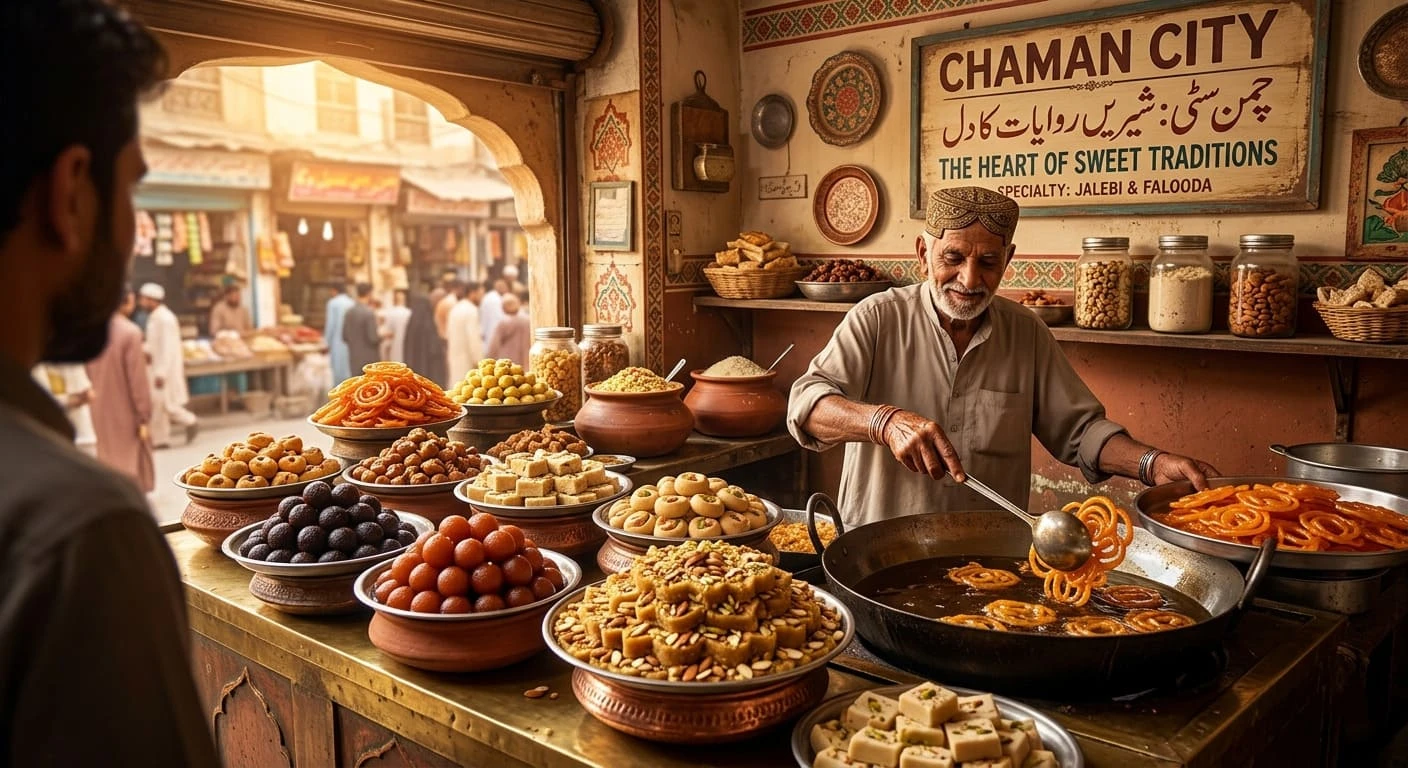
Chaman City wakes up with a quiet kind of beauty. As the first light touches the dusty streets, small sweet shops begin to open their shutters, and the air slowly fills with the rich aroma of sugar, ghee, and freshly prepared desserts. There’s something comforting about it — a sense that life here moves with tradition, not in a rush, but with meaning.
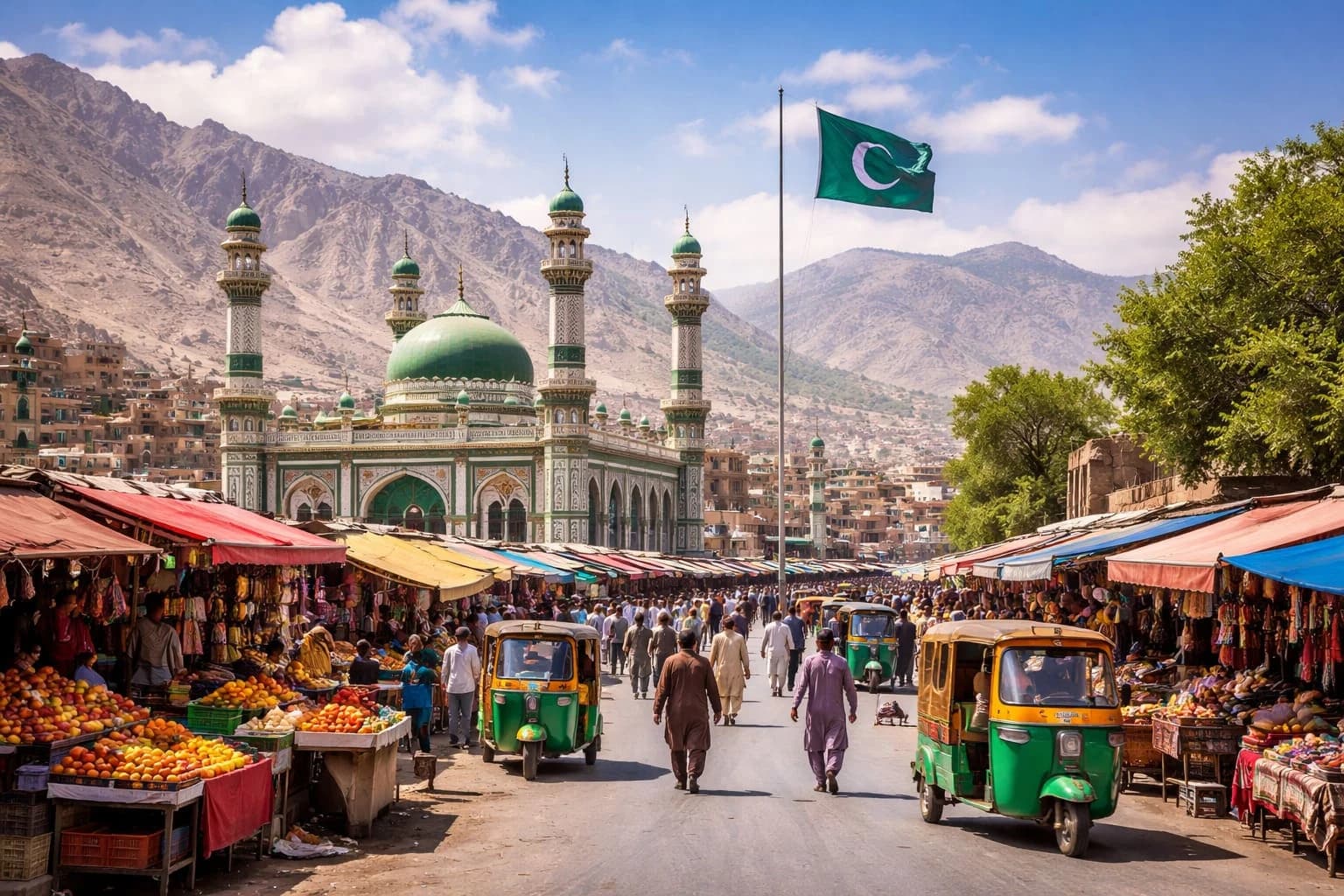
Located in the southwestern edge of Pakistan, right along the border of Afghanistan, Chaman is more than just a trade town.
What makes this city truly special is how deeply its identity is tied to its sweet traditions. From warm, syrupy jalebis to soft, melt-in-the-mouth barfi, every bite carries a story of heritage, of community, and of a way of life that hasn’t changed much over time.
This is why Chaman City is often called the heart of sweet traditions — not just because of what is made here, but because of how it is shared, celebrated, and lived.
Chaman City sits in Balochistan, Pakistan, close to the Afghanistan border near Kandahar, and that location has shaped almost everything about its character. It is widely known as a border city and trade gateway, which gives it a rhythm that feels different from many other Pakistani cities. People, goods, languages, and traditions have long moved through this route, and that movement has helped create a place that feels both local and connected to a wider region.
And that is exactly where the story of sweets begins.
Every city has something people remember it for. In Chaman is that they are closely connected to hospitality. In many homes and shops, serving something sweet is a simple gesture of respect. A guest may be offered tea with a small plate of sweets. A family visit may begin with dessert before the main meal is even discussed. Even casual meetups often carry this tradition. That repeated act of sharing turns sweets into more than food. It makes them part of social life.
What really makes Chaman special, though, is the way sweetness appears in ordinary moments.
When people talk about Chaman City sweets, they are usually talking about a mix of local favorites, regional Baloch desserts, and treats shaped by the city’s close connection to Kandahar and cross-border trade. Chaman is a major border city linked to Afghanistan, so its food culture has naturally grown through movement, exchange, and shared taste across the region.


What makes these sweets memorable is not just the ingredient list. It is the setting around them.

To really understand Chaman City sweets, it helps to look at what goes into them. The ingredients are simple, but the way they are combined — and the care taken in preparation — is what gives each sweet its identity.
| Sweet Name | Main Ingredients | Taste Profile | When It’s Enjoyed |
|---|---|---|---|
| Jalebi | Flour, sugar syrup, oil | Crispy, juicy, very sweet | Morning, tea-time, bazaar visits |
| Barfi | Milk, sugar, ghee | Soft, rich, mildly sweet | Guests, everyday treats |
| Laddu | Flour/semolina, sugar, ghee | Dense, sweet, slightly grainy | Celebrations, events |
| Pateesa | Gram flour, sugar, ghee | Flaky, light, melts fast | Festive occasions |
| Sheer Khurma | Milk, vermicelli, dates, nuts | Creamy, rich, aromatic | Eid, family gatherings |
| Madarr | Dates, semolina, ghee | Natural sweetness, soft | Homemade, traditional meals |
| Shelanch | Flour, sugar, ghee (varies) | Sweet, slightly crispy | Cultural and family occasions |
Looking at the table, one thing becomes clear: Chaman’s sweets rely on freshness and simplicity rather than complexity.
This simplicity is part of what makes Chaman’s sweet culture so appealing.
You cannot fully talk about Chaman without talking about the border.
Chaman sits right near Afghanistan’s Kandahar province and has long served as a contact point between the two sides, especially through trade and movement of people. That border position is one of the clearest reasons the city’s culture feels layered instead of isolated. It has absorbed habits, flavors, and food preferences through everyday exchange, not through distant influence.
That influence shows up in sweet culture in subtle but important ways.
This cross-border influence is one of the reasons Chaman’s sweets leave such a strong impression. They carry the identity of a border city, but they also carry the intimacy of home.
For many visitors, the appeal begins with taste. Chaman’s sweets often feel fresher, richer, and more natural than mass-produced desserts. The ingredients are familiar, the preparation is straightforward, and the flavors do not try too hard. That simplicity is exactly what makes them stand out.
That is why people often remember more than a single dessert name. They remember the mood, the welcome, the shopfronts, the trays of sweets, the conversation, and the feeling that sweetness here is part of everyday human connection.
Chaman City is not only a place on the map.From fresh jalebi in the bazaar to festive bowls of sheer khurma at Eid, Chaman City sweets are woven into the life of the city. They mark celebrations, welcome guests, brighten tea-time, and turn ordinary moments into meaningful ones. That is what makes Chaman special. Its sweets are not just delicious. They are part of its identity.
Calling Chaman the heart of sweet traditions feels natural because the phrase captures something real. In this city, sweetness is more than flavor. It is hospitality. It is memory. It is culture passed from one generation to the next.

No bio available yet.
For many people, Ziarat Balochistan is simply a tourist destination known for its weather, land
21 April 2026
Travel in Pakistan does not have to drain your savings. A smart trip is usually less about luxury an
11 April 2026
Be the first to share your thoughts
No comments yet. Be the first to comment!
Share your thoughts and join the discussion below.