* All product/brand names, logos, and trademarks are property of their respective owners.
Khaplu is one of those places that does not try too hard to impress you, and that is exactly why it stays with you. Tucked away in the heart of Baltistan, this quiet town has a way of slowing everything down. The roads become calmer, the mountains feel closer, and life seems to move at a gentler pace. Instead of tourist noise and crowded viewpoints, Khaplu offers old stone pathways, wooden houses, green fields, apricot trees, and a sense of peace that is hard to find in more commercial northern destinations.
Whether you are planning a trip through Gilgit-Baltistan, searching for a peaceful escape, or simply curious about lesser-known places in Pakistan, Khaplu deserves attention. It is more than a stop on the way to somewhere else. It is a destination with its own story, its own rhythm, and its own quiet magic.
Khaplu is the administrative center of Ghanche District in Gilgit-Baltistan, in the Baltistan region of northern Pakistan.For most travelers, Khaplu comes into the journey after Skardu. Common travel guides place it roughly 100 to 103 kilometers east of Skardu, and the road trip usually takes around 3 to 4 hours, depending on weather and road conditions. That drive is part of the experience. The landscape gradually shifts, the crowds thin out, and the mood becomes quieter and more intimate.
There is also something reassuring about Khaplu for travelers who want northern Pakistan without constant noise or overpacked itineraries. It suits people who enjoy places slowly, who like to walk, observe, talk to locals, and sit with a view instead of ticking off attractions one by one. That is why Khaplu often leaves a deeper impression than places that are technically bigger or busier.
Khaplu stands out because it gives you more than scenery. Official Gilgit-Baltistan tourism pages describe it as a destination known for cultural richness, natural beauty, and diverse traditions, and that combination is exactly what makes it memorable. It is not only a place to pass through on the way to a bigger name. It is a place where heritage, village life, and mountain landscapes feel closely connected.
Many travelers come to northern Pakistan expecting dramatic views, busy bazaars, and packed itineraries. Khaplu offers a quieter version of that experience. It feels less commercial and more rooted in everyday life. Instead of rushing from one tourist spot to another, you can actually slow down here.
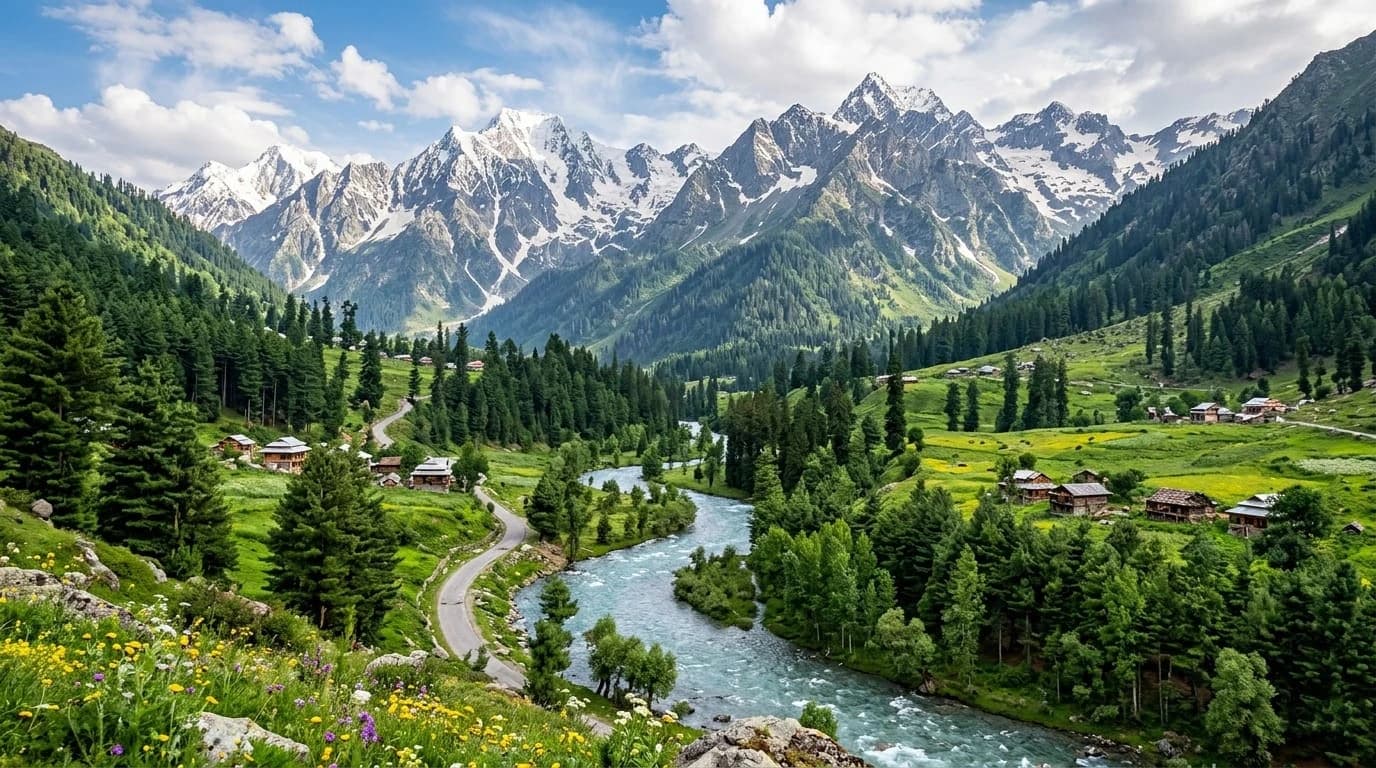
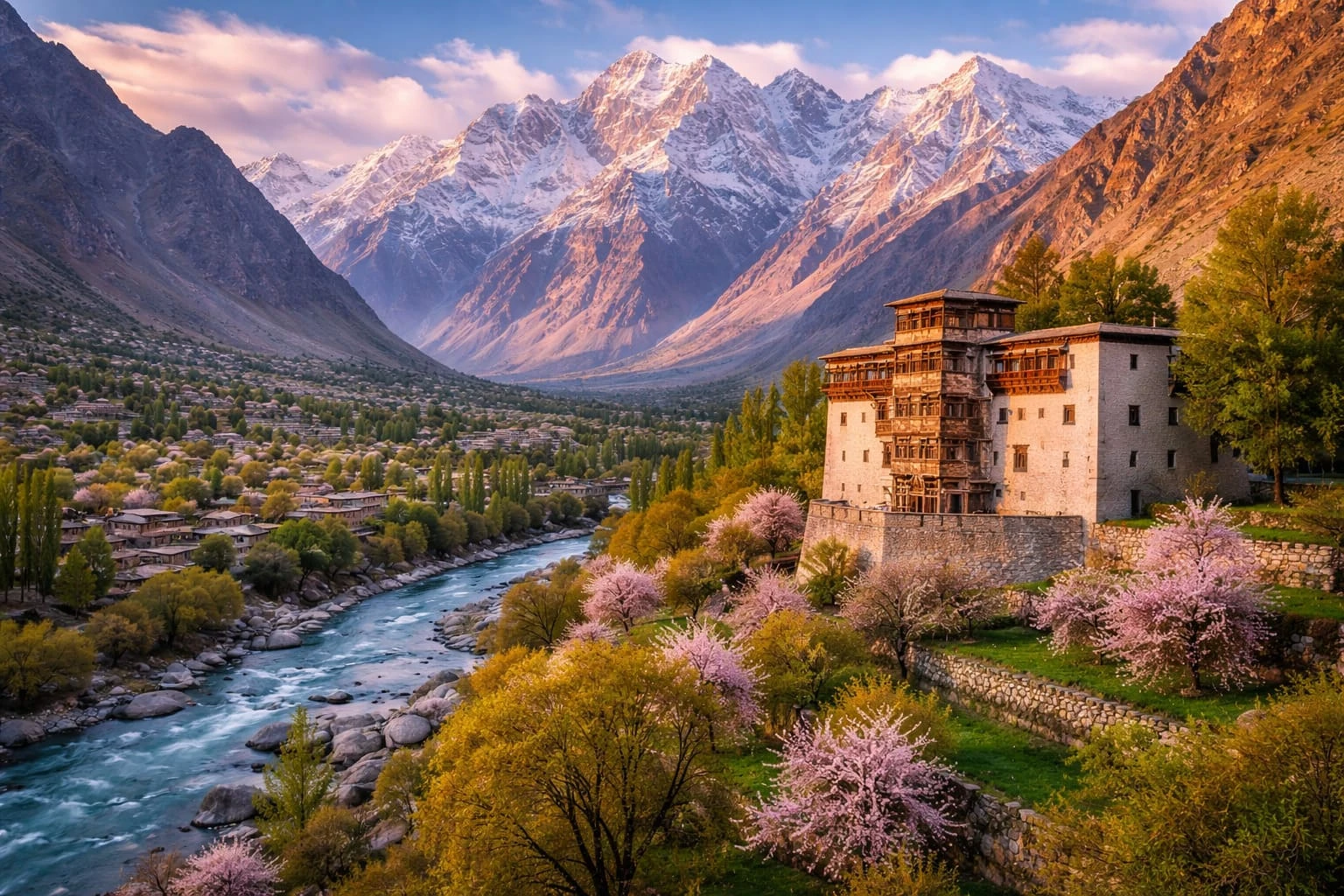
Khaplu has the kind of beauty that does not need exaggeration. Apricot orchards, green fields, traditional houses, and mountain backdrops come together in a way that feels balanced rather than dramatic for the sake of attention. Serena Khaplu Palace itself describes the setting as being framed by towering peaks and apricot orchards, which captures the character of the area well.
Khaplu is also special because its heritage is still visible. Tourism sources for Ghanche District highlight landmarks like Khaplu Palace and Chaqchan Mosque as major examples of local craftsmanship and traditional woodwork. The palace is presented as a restored royal residence from the mid-19th century, while Serena describes it as one of Baltistan’s finest surviving royal residences and a “living museum” of heritage.
Khaplu feels special because it gives you room to notice things. It is scenic, yes, but it is also thoughtful, historic, and deeply human. That is what turns a beautiful place into a memorable one.
One of the clearest symbols of Khaplu’s historic importance is Khaplu Palace, which Serena and heritage tourism sources describe as one of the finest surviving examples of a 19th-century royal residence in Baltistan. It served as the residence of the local rajas and remains one of the area’s strongest links to its princely past. Today, the palace is both a heritage landmark and a restored cultural space, which helps visitors connect with Khaplu’s history in a very direct way.
What makes Khaplu’s history interesting is that it does not feel distant or disconnected. In many places, history feels separate from modern life. In Khaplu, it feels woven into everyday surroundings. Old craftsmanship, wooden detailing, stone structures, and traditional design still give the town its character.
Khaplu is not a place where you need dozens of attractions to feel satisfied. Its appeal comes from a small number of places that each carry real character. The best spots here are not random photo stops. They help you understand why Khaplu feels historic, peaceful, and different from many other northern destinations. Official tourism sources for Ghanche District highlight Khaplu Palace and Chaqchan Mosque as major heritage landmarks, and travel guides also point to Hushe Valley and local viewpoints as rewarding extensions of a Khaplu trip.
This is the landmark most people associate with Khaplu, and for good reason. Serena describes Khaplu Palace as one of the finest surviving 19th-century royal residences in Baltistan, restored as a heritage hotel with traditional woodwork, antiques, and views of orchards and surrounding peaks. Even if you do not stay there, the place captures the identity of Khaplu better than any single attraction. It feels elegant without being flashy, and historic without feeling distant.

The Chaqchan Mosque is one of the oldest and most important heritage sites in the area. Official tourism sources identify it as a major architectural point of interest in Ghanche, valued for its craftsmanship and traditional woodwork. Earlier heritage descriptions of the site also connect it with the region’s long religious and cultural history.
What stands out here is not just age, but atmosphere. It reflects the layered identity of Baltistan, where faith, craftsmanship, and regional design all come together in one place.

The village itself is part of the attraction. Khaplu is one of those towns where walking without a strict plan is actually worth your time. The lanes, homes, orchards, and daily rhythm of life are a big part of the experience.
This is where Khaplu feels most human. You notice how closely daily life and heritage still sit together, and that makes the visit feel more personal.

If you want to add a dramatic natural extension to your trip, Hushe Valley is the obvious choice. Travel guides regularly mention Khaplu as a gateway to Hushe, which opens toward famous trekking country and some of Baltistan’s grand mountain landscapes.
Even if you are not a serious trekker, the route and the scenery make it worthwhile.

Local travel sources also mention Thoqsi Khar and other nearby spots around Khaplu for views over the valley and a better sense of the area’s geography. These are the kinds of places that add texture to a trip rather than serving as headline attractions.

Khaplu can be visited throughout the year, but your experience will change depending on the season. The weather, road conditions, and overall atmosphere vary quite a bit, so choosing the right time depends on what kind of trip you want.
Here’s a simple breakdown to help you plan better:
| Season | What to Expect | Best For |
|---|---|---|
| Spring (March–May) | Blossoms, fresh greenery, cool weather | Nature lovers, photographers |
| Summer (June–August) | Pleasant temperatures, clear roads, lively travel season | Families, first-time visitors |
| Autumn (September–October) | Golden leaves, peaceful vibe, fewer tourists | Scenic trips, relaxed travel |
| Winter (November–February) | Very cold, possible road challenges, quiet surroundings | Experienced travelers, solitude seekers |
Reaching Khaplu is part of the experience. The journey itself slowly introduces you to the quieter, more remote side of Baltistan. While it may take a bit of planning, it is not difficult if you approach it the right way.
Most travelers reach Khaplu from Skardu, which is the main entry point for this region.
The road journey is scenic and gradually shifts from busy town areas into more peaceful landscapes. As you move further away from Skardu, traffic decreases and the surroundings become more rural and calm.
You have a few choices depending on your budget and comfort:
Reaching Khaplu is not just about getting from one place to another. It feels like a gradual transition into a quieter world.
Khaplu is not the kind of destination that tries to compete with the big names. It does not rely on crowds, flashy attractions, or constant activity. Instead, it offers something quieter and more lasting—a mix of history, culture, natural beauty, and calm that stays with you long after the trip ends.
From the timeless presence of Khaplu Palace to the peaceful rhythm of village life, everything about this place feels balanced and real. You are not just visiting another location on the map. You are stepping into a slower, more thoughtful way of experiencing travel.
That is when Khaplu truly shows what it has to offer.

No bio available yet.
Some places impress you with big views the moment you arrive. Phander Valley does something softer.
5 May 2026
Minimarg Pakistan is one of those rare places that still feels untouched, quiet, and beautifully raw
1 May 2026
Some places do not need loud promotion. They stay quiet, hidden between mountains, forests, and rive
27 April 2026
Be the first to share your thoughts
No comments yet. Be the first to comment!
Share your thoughts and join the discussion below.