* All product/brand names, logos, and trademarks are property of their respective owners.
Some places do not need loud promotion. They stay quiet, hidden between mountains, forests, and rivers, waiting for travelers who are tired of noise and crowded views. Kumrat Valley is one of those places.
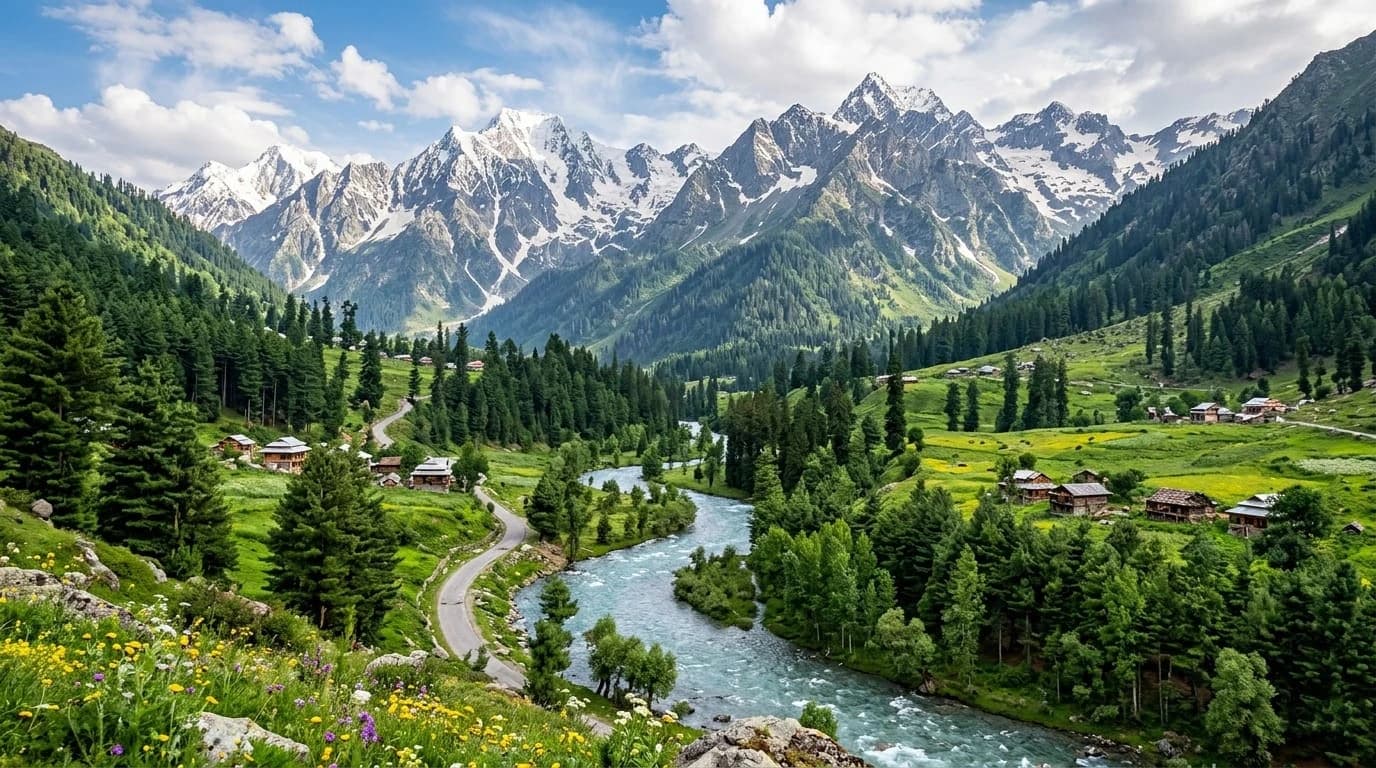
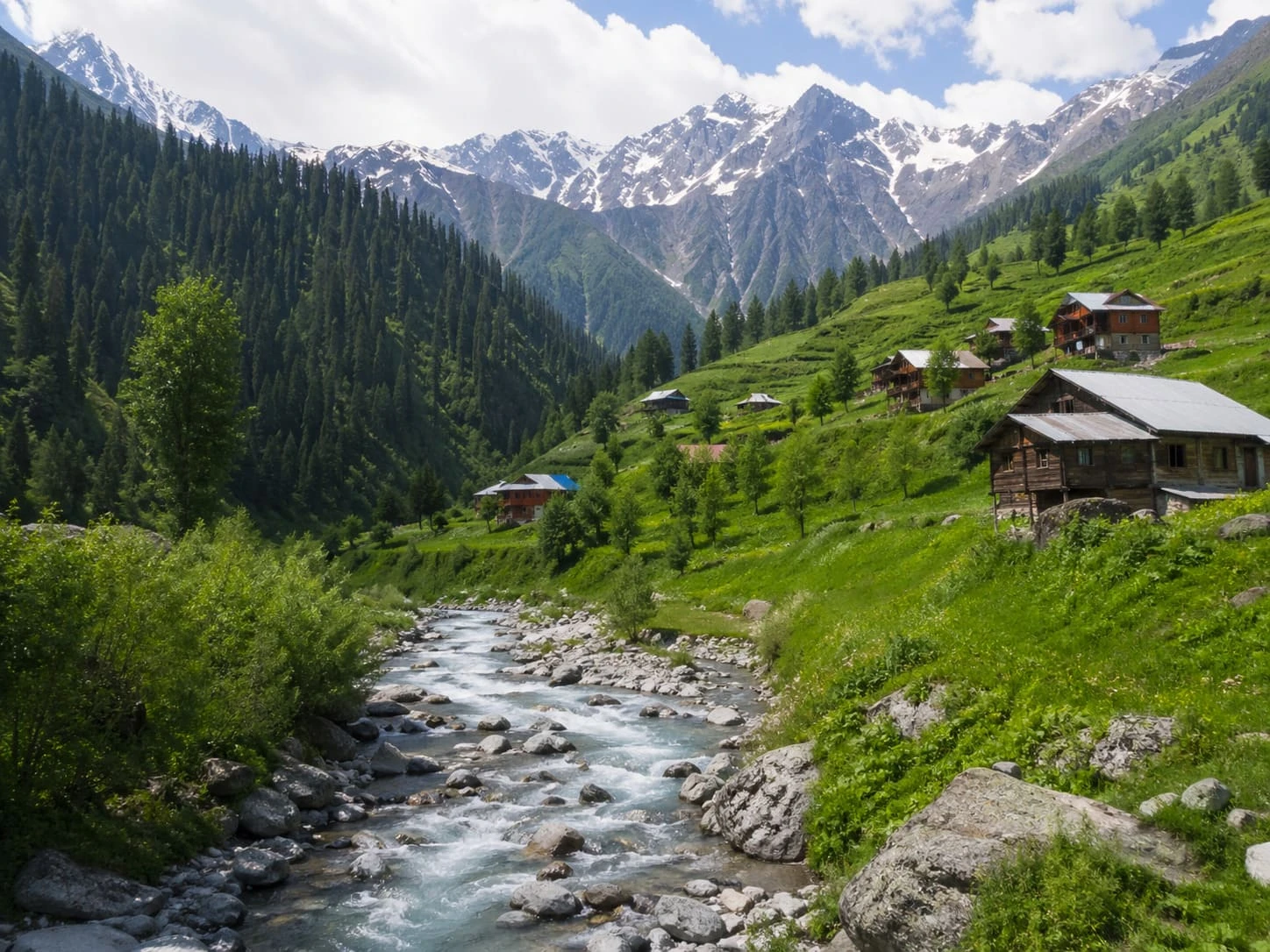
Tucked away in Upper Dir, Khyber Pakhtunkhwa, Kumrat feels like a soft pause from everyday life. The journey may be long, the roads may test your patience, and phone signals may fade, but that is part of its charm. As city noise disappears behind you, the valley slowly opens into tall deodar forests, fresh mountain air, wooden homes, flowing water, and wide skies.
What makes Kumrat special is not just one viewpoint or one famous attraction. It is the whole feeling of the place. The river keeps moving beside you. The trees stand high and still. The evenings arrive gently, often with the sound of water and the smell of campfire in the air. For many travelers, Kumrat Valley is not just a destination to visit; it is a place to breathe again.
This is where forests, rivers, and peace finally meet.
The road to Kumrat Valley is part of the story. It does not feel like arriving at a regular tourist spot where everything is polished and easy. The journey asks for time, patience, and a little flexibility. That is exactly why the valley still feels different.
Kumrat’s remote setting is one of the biggest reasons behind its peaceful atmosphere. It is not completely untouched, and tourism has grown over the years, but it still carries a sense of distance from the busy world. The valley does not rush you. It lets you slow down naturally.
By the time you reach the main camping areas, the long journey begins to make sense. The tiredness fades when you see the deodar trees, wide riverbanks, and open valley stretching ahead. It feels like the kind of place that rewards those willing to go a little farther.
Kumrat Valley has a different kind of silence. It is not empty or lonely. It is full of natural sounds that feel softer than the noise most people live with every day.
Then there are the forests. The tall deodar trees give Kumrat a deep, shaded beauty. Walking near them feels peaceful because the trees seem older than the worries travelers bring with them. Their height, stillness, and cool shade create a feeling that is hard to explain but easy to remember.
For travelers who come from crowded cities, this calm can feel surprising at first. There is less to chase, less to scroll, and less to prove. After a while, that becomes the best part.
The beauty of Kumrat Valley is not limited to one famous spot. It spreads across the whole landscape. One moment you are looking at thick forests, the next you are standing near a clear river, and a few minutes later the valley opens into meadows where the mountains feel close enough to touch.
Together, the forests, riverbanks, and meadows make Kumrat feel complete. Each part adds something different: the trees bring shade, the river brings life, and the open spaces bring freedom.
Kumrat Valley is not the kind of place where you only visit one point, take a photo, and leave. Its beauty is spread across forests, streams, villages, riverbanks, and nearby highland areas. Some spots are easy to enjoy, while others need more time, energy, or a jeep ride. That mix makes the trip feel fuller.

Kumrat Valley changes with the seasons, and each season brings a different mood. For most travelers, the smoother and more comfortable months are from late spring to early autumn, when the roads are more manageable and the valley shows its green side.
| Season | Travel Experience | Suitable For |
|---|---|---|
| May to June | Fresh greenery, pleasant days, cool evenings | Families, nature lovers, first-time visitors |
| July to September | Lush landscapes, flowing streams, active camping season | Campers, photographers, group trips |
| October | Colder air, quieter surroundings, autumn tones | Peaceful trips, slow travelers |
| Winter | Snow, freezing temperatures, difficult access | Experienced travelers only |
The journey to Kumrat Valley is beautiful, but it is not the kind of trip where you should expect smooth roads all the way. That is part of the valley’s reality, and knowing it beforehand makes the experience much easier.
Most travelers move toward Upper Dir first and then continue to Thal village. Thal is the main base before entering the deeper parts of Kumrat. It is the place where many visitors arrange local jeeps, pick up basic supplies, eat a meal, or prepare for the rougher part of the journey.
From Thal onward, the road can become uneven, narrow, muddy, or rocky depending on the season and weather. A 4x4 jeep is often the better choice for this section, especially for families, groups, or travelers who are not used to mountain roads. Local drivers usually understand the tracks better, which makes the journey safer and less stressful.
The road may feel tiring, but it also builds the mood of the trip. Every turn takes you farther from noise and closer to the valley’s forests, riverbanks, and open spaces. By the time you finally reach Kumrat, the journey feels like part of the reward.
A first trip to Kumrat Valley feels more enjoyable when you prepare for the basics. The valley is beautiful, but it is still a mountain destination with changing weather, limited facilities, and rough access in some areas. A little planning can save you from unnecessary stress.
Most importantly, respect the pace of the place. Kumrat is not a rushed city break. Roads may take longer, food may take time, and the weather may change suddenly. Stay flexible and enjoy the slow rhythm.
The peace of Kumrat Valley depends on its natural beauty. The forests feel calm because they are still alive and standing. The river feels refreshing because it is clear and moving. The campsites feel special because they sit close to nature, not above it. That is why every visitor has a small responsibility while traveling here.
Kumrat is becoming more popular, and with more travelers come more plastic bottles, food wrappers, loud music, and careless camping habits. If people visit only to enjoy the valley but do not protect it, the same beauty that attracts everyone can slowly disappear.
Kumrat Valley is not perfect because it is easy. It is beautiful because it still feels real. The roads can be rough, the journey can be long, and the weather can change without much warning. But once you are there, standing near the river or walking under tall deodar trees, those small difficulties begin to feel far away.
This is the kind of place that reminds you how peaceful life can feel when nature is allowed to speak. The forests give shade and silence. The Panjkora River brings movement and music. The meadows open the view. The evenings slow everything down.
For nature lovers, Kumrat Valley offers scenery that feels fresh and honest. For campers, it gives riverside nights and cold mountain mornings. For photographers, it brings forests, waterfalls, wooden homes, and wide landscapes. And for anyone tired of noise, rush, and routine, it offers something even better: space to breathe.
Kumrat Valley is where forests, rivers, and peace finally meet — and if you visit with patience and respect, it may stay with you long after the journey ends.

No bio available yet.
Some places impress you with big views the moment you arrive. Phander Valley does something softer.
5 May 2026
Minimarg Pakistan is one of those rare places that still feels untouched, quiet, and beautifully raw
1 May 2026
Fairy Meadows feels like a place where the world finally lowers its voice. After the long road,
25 April 2026
Be the first to share your thoughts
No comments yet. Be the first to comment!
Share your thoughts and join the discussion below.