* All product/brand names, logos, and trademarks are property of their respective owners.
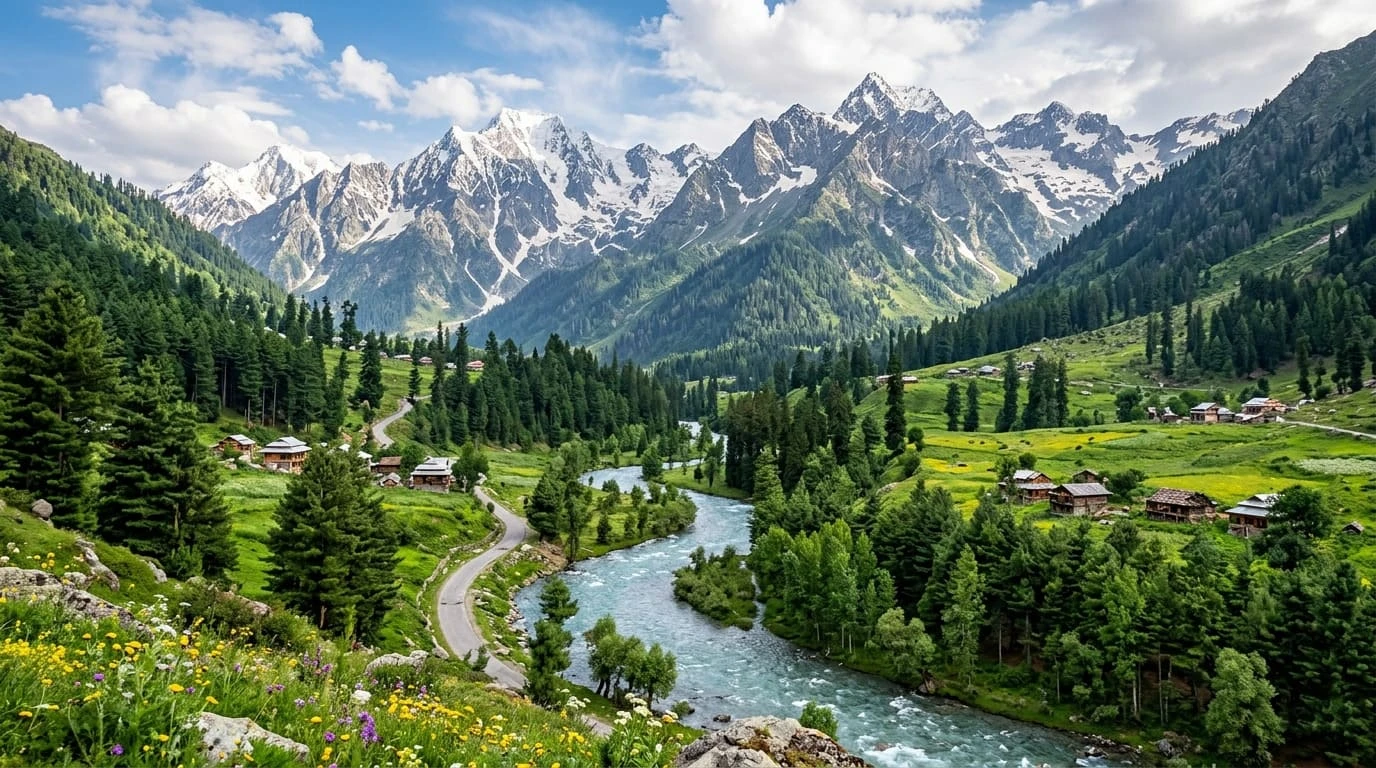
For many people, Ziarat Balochistan is simply a tourist destination known for its weather, landscapes, and historical importance. But that description barely captures its true spirit. Ziarat feels less like a place you just see and more like a place you slowly absorb. The roads seem calmer, the breeze feels softer, and even time appears to move more gently there. In a world that constantly asks us to move faster, think louder, and stay busier, Ziarat offers the exact opposite. It gives you room to breathe.
What makes Ziarat special is not just one famous landmark or one scenic point. Its charm comes from the full experience. It lives in the silence of the mountains, the beauty of the ancient juniper forests, the dignity of Quaid-e-Azam Residency, and the simple comfort of standing somewhere that still feels pure and untouched. Whether someone visits with family, friends, or even alone, the place leaves behind a feeling of calm that is difficult to forget.
That is why the title “Ziarat: The Heart of Serenity” feels so natural. Serenity is not just part of Ziarat’s image. It is part of its identity. It is in the cool mornings, the quiet evenings, and the stillness that surrounds the valley like a gentle embrace. For travelers who are tired of crowded destinations and overstimulating escapes, Ziarat offers something far more meaningful: peace, beauty, and a deep sense of connection with nature and history.
Ziarat is a hill town in Balochistan, around 130 kilometers from Quetta, surrounded by mountains and famous juniper forests. It is known across Pakistan for its cool climate, natural beauty, and the historic Quaid-e-Azam Residency. The wider Ziarat area is also home to the country’s largest juniper forest zone, which UNESCO describes as covering about 110,000 hectares.
But location alone is not what makes Ziarat feel different.
That is why Ziarat feels different from the moment you arrive. It does not overwhelm you. It eases you in. And sometimes, that kind of quiet welcome is exactly what a person needs.
Calling Ziarat the heart of serenity is not just a poetic line. It genuinely fits the place.
Serenity is more than silence. It is a feeling of inner ease, a quietness that settles both around you and within you. That is exactly what Ziarat offers. The moment you spend a little time there, you begin to notice that nothing feels forced. The wind moves gently through the trees, the mountains stand in calm stillness, and the whole valley seems to exist at a softer pace. It does not ask anything from you. It simply allows you to be present.
So when we call it “Ziarat: The Heart of Serenity,” we are really describing its deepest quality. Ziarat is not just peaceful to look at. It is peaceful to experience. And that difference is what makes it unforgettable.

The beauty of Ziarat also comes from how untouched it feels. Even though it is one of Pakistan’s known mountain destinations, it still carries a natural simplicity that many places lose over time. The roads, viewpoints, forests, and open stretches of land create a setting that feels peaceful rather than overdeveloped. That is one reason people who visit Ziarat often describe it with emotion rather than just facts.
They do not only remember where they went. They remember how the place made them feel.
This is why Ziarat Valley stays in people’s memory. It is not only scenic. It is soothing. And that combination is much harder to find than people think.
One of the most remarkable things about Ziarat is its ancient juniper forest. This is not just another patch of greenery on a mountain route. It is one of the most important natural treasures in Pakistan. UNESCO’s Tentative List describes the Ziarat Juniper Forest as the largest juniper forest area in Pakistan, covering about 110,000 hectares, and notes that some trees are considered among the oldest living trees in the country.
That alone makes the forest special, but numbers and titles only tell part of the story.
This is where Ziarat becomes more than a scenic destination. The juniper forest gives it depth. It reminds people that serenity is not always soft in a delicate way. Sometimes serenity comes from age, endurance, and stillness. These trees have survived harsh winters, dry seasons, and the passing of generations, yet they remain rooted in place. There is something deeply calming about that.
When people talk about the soul of Ziarat, this forest is a big part of what they mean. It gives the valley its quiet strength.

This is the place where Quaid-e-Azam Muhammad Ali Jinnah, the founder of Pakistan, spent the final days of his life. That alone gives the residency a powerful presence. It is not just a tourist spot. It is a place of reflection. Visitors do not come here only to take pictures. They come to feel something — respect, gratitude, and sometimes even silence that feels heavier than words.
The building itself has a calm, almost gentle character. It does not try to impress with size or grandeur. Instead, it stands quietly, much like Ziarat itself. The white wooden structure, the surrounding lawns, and the stillness of the environment all come together to create a space that feels deeply personal.
This is why the Quaid-e-Azam Residency is not just an important stop in Ziarat it is an essential experience.

Ziarat is one of those rare places that changes its mood with the seasons without losing its charm. Because it sits at a relatively high altitude and has a temperate, semi-arid climate, summers are milder than many other parts of Pakistan, while winters can turn cold enough for snowfall. That is a big reason why visitors come at different times of the year depending on the kind of experience they want.
| Season | Experience | Weather | Why Visit |
|---|---|---|---|
| Spring | Fresh, calm, lightly green | Cool to mild | Great for peaceful walks and a relaxed trip |
| Summer | Pleasant mountain escape | Mild compared with hotter cities | Ideal for families and sightseeing |
| Autumn | Quiet, crisp, less crowded feel | Cool and dry | Best for calm views and reflective travel |
| Winter | Snowy, dramatic, deeply serene | Very cold, with snowfall possible | Perfect for people who want a magical winter atmosphere |
For most travelers, spring through early autumn is the easiest and most comfortable time to visit because the weather is milder and better suited for walking, sightseeing, and enjoying the forests. Travel guides focused on the Ziarat Juniper Forest commonly point to roughly April to October as the most pleasant window for general visits.
So the best time to visit Ziarat depends on what you want to feel. If you want comfort, greenery, and easy exploring, go in the milder months. If you want silence, snow, and a stronger sense of isolation, winter may be the season that shows you Ziarat at its most magical.
Ziarat is not the kind of place filled with endless activities or busy tourist attractions—and that is exactly what makes it special. The experience here is simple, slow, and deeply satisfying. Instead of rushing from one spot to another, Ziarat invites you to pause, explore gently, and truly absorb your surroundings.
Here are some of the most meaningful things you can do while visiting:
This is a place where doing less actually gives you more.
Ziarat is not just a destination on a map—it is an experience that touches something deeper. From the peaceful valley and ancient juniper forests to the quiet dignity of Quaid-e-Azam Residency, every part of this place reflects a rare kind of calm that is becoming harder to find.
What makes Ziarat Balochistan truly special is not just its natural beauty, but the way it makes you feel while you are there—and even after you leave. It reminds you that serenity is not something complicated. Sometimes, it exists in silence, in fresh air, and in places that have remained close to nature.
And once you experience it, you will understand why it is truly called the heart of serenity.

No bio available yet.
Chaman City wakes up with a quiet kind of beauty. As the first light touches the dusty streets, smal
21 April 2026
Travel in Pakistan does not have to drain your savings. A smart trip is usually less about luxury an
11 April 2026
Be the first to share your thoughts
No comments yet. Be the first to comment!
Share your thoughts and join the discussion below.